Video games are a weird thing to think about as a category, and sorting them into different genres is tricky. The RPG label just might be the worst of them these days.
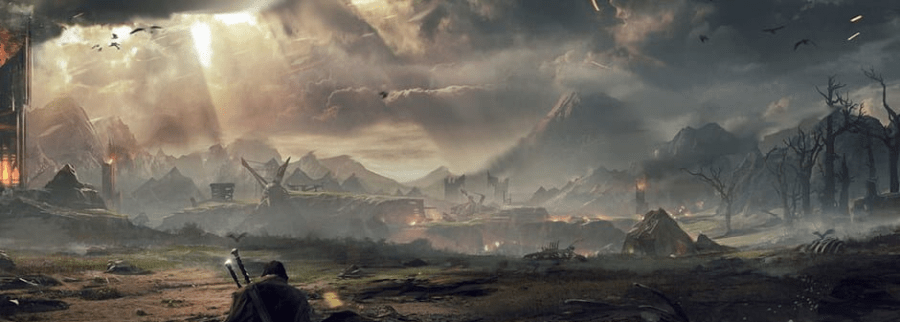

Video games are a weird thing to think about as a category, and sorting them into different genres is tricky. The RPG label just might be the worst of them these days.
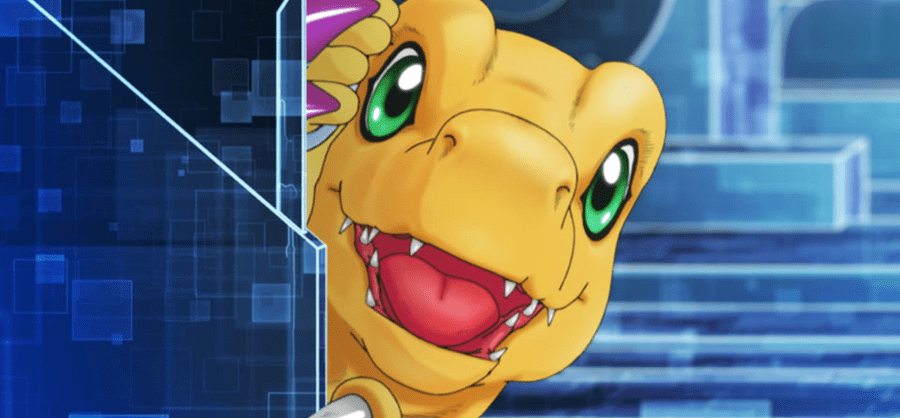
Digimon was part of my normal Saturday morning cartoon block, so naturally I jumped on Digimon Story: Cyber Sleuth when it came out a few years back. A few issues with that.
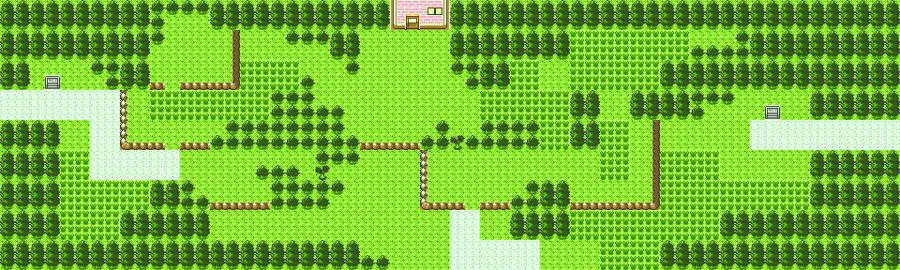
My gut reaction to Pokémon: Let's Go, Cute Critter! was admittedly on the pessimistic side, and while I stand by what I wrote, it definitely comes from a certain perspective that doesn't represent all - possibly even most - potential players of that game. So I'd like to leverage that same perspective to talk about what has and still does excite me about the Pokémon games, and a huge part of the reason why I'm still willing to come back to the table every single time one of these games comes out.

Usually, I steer hard against passing judgement on something just based on trailers or press releases. What we've seen so far about Pokémon Let's Go, though, suggests a trajectory that the series has been on for around a decade now.
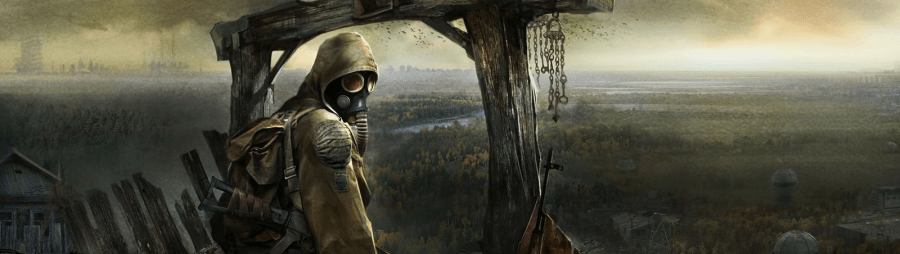
The overwhelming majority of the time, your inventory space in any given game won't matter. Then there's the S.T.A.L.K.E.R. series.
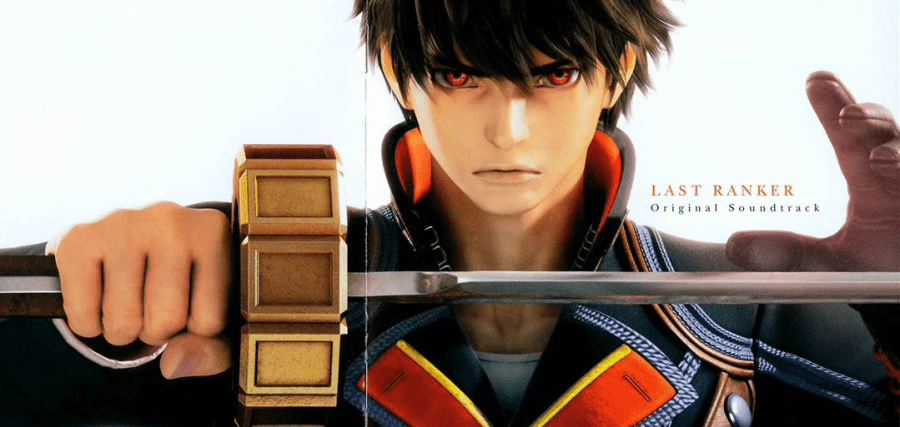
I don't have any reservations about nerding out over games that I don't play at all. That's lucky, because Last Ranker is a double whammy, and soundtrack by Yoko Shimomura gets me going every time I hear it.

At a competitive level, fighting games are some of the most impressive games you can watch for my money. So much so that the lion's share of the details go way over my head much of the time, which is fine by me.

Tokimeki Memorial does a lot to emulate the tricky feeling of navigating social spaces, which makes it deeply intriguing. With that said, I doubt that I'll ever play it.
An awful lot of games make attempts to be comedic to various degrees. And almost always this comes across exclusively through the writing as quippy dialogue. But Golf Story is really playing into the strengths and tropes of its medium.
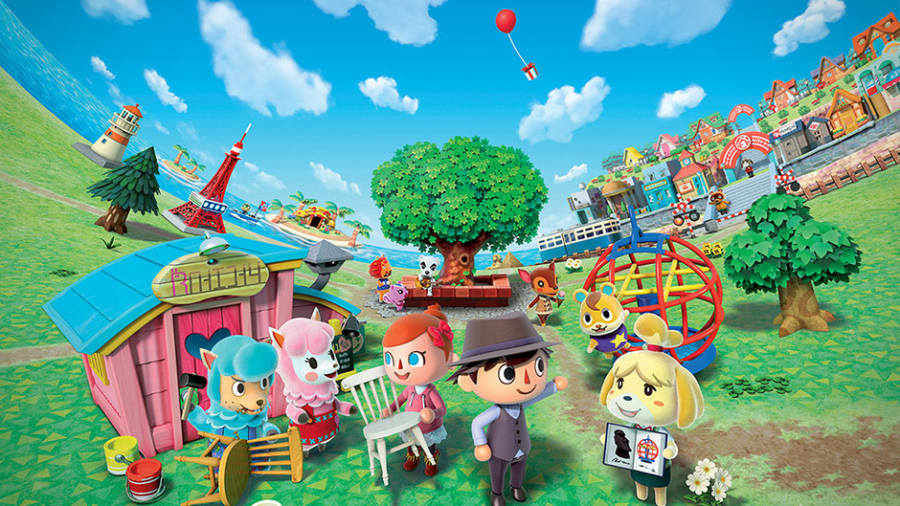
Animal Crossing is a very mundane sort of wish-fulfillment, to be sure. But that only makes it more important.
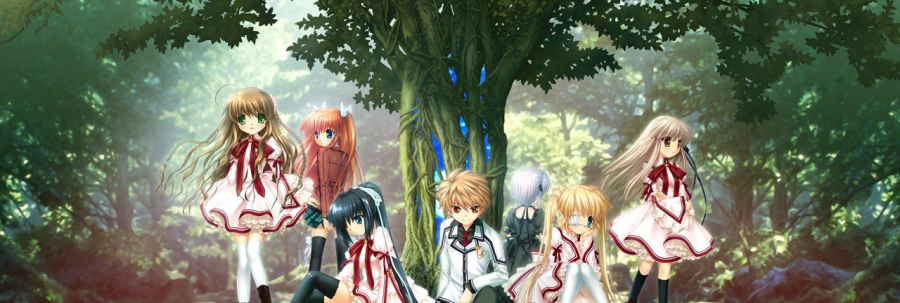
Even after Key’s writing contributions to the oddly-paced and hardly-affecting Charlotte, though, I still held out some measure of anticipation for the following season’s Rewrite. But it turns out that missing the point did the series even more damage than what repair it was positioned to do.

Many games were evolving the genre with the fidelity offered by the SNES, but Final Fantasy’s overwhelmingly successful reception set the tone for how JRPGs would play themselves thematically for years to come.

Sidestepping the divisive highs and lows of the concept direction, narrative choices, and distribution model of Final Fantasy XV, there’s one dungeon in particular that sticks out from all the others for how it showcases the game's uniqueness. As a brief one-off, I’d like to delve into that level in particular on a point-by-point basis.

Slime Rancher this adorable, feel-good, sunshine-y atmosphere that likens the experience of playing it to receiving a warm hug. And possibly the most notable contributor of all to this feeling is that there’s next to no violent confrontation in the entire game.
And after iteratively improving itself over the course of the following decade, Monster Hunter has turned out to be the seven-million-players-and-counting hot juggernaut of this year’s first quarter. That’s something that honestly never would have happened if the game’s designers weren’t going back to the drawing board with each release, weeding out the problem points for players, and expanding their scope in include better approaches and new tools. And that, in its way, is amusingly on-brand for the series.
 This Thing Is Neat