I don't have any reservations about nerding out over games that I don't play at all. That's lucky, because Last Ranker is a double whammy, and soundtrack by Yoko Shimomura gets me going every time I hear it.
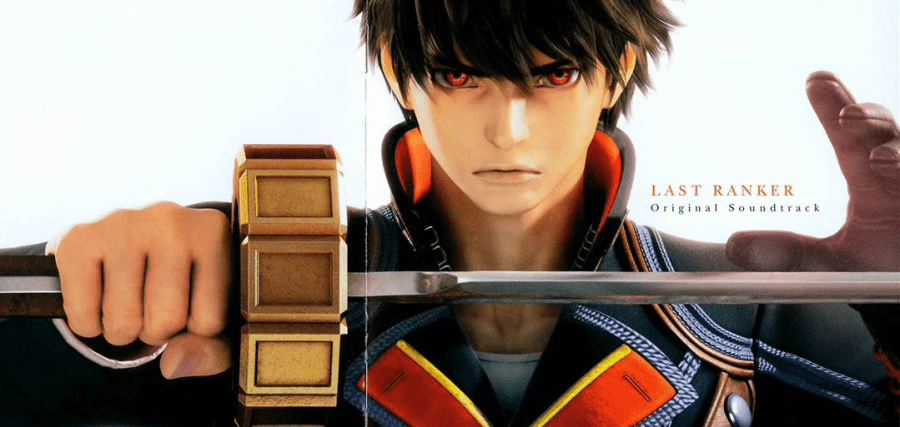

I don't have any reservations about nerding out over games that I don't play at all. That's lucky, because Last Ranker is a double whammy, and soundtrack by Yoko Shimomura gets me going every time I hear it.

At a competitive level, fighting games are some of the most impressive games you can watch for my money. So much so that the lion's share of the details go way over my head much of the time, which is fine by me.

Tokimeki Memorial does a lot to emulate the tricky feeling of navigating social spaces, which makes it deeply intriguing. With that said, I doubt that I'll ever play it.

An awful lot of games make attempts to be comedic to various degrees. And almost always this comes across exclusively through the writing as quippy dialogue. But Golf Story is really playing into the strengths and tropes of its medium.

Anime is in a bit of a production boom at the moment, so as you might imagine, concepts can get really creative in an effort to stand out from the crowd. Like extracurricular choir.
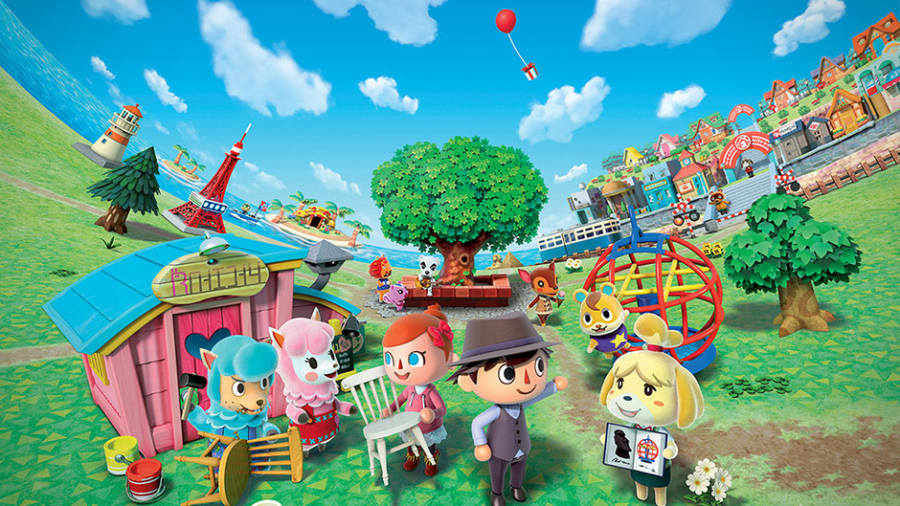
Animal Crossing is a very mundane sort of wish-fulfillment, to be sure. But that only makes it more important.

I love Claymore so very very much. But probably I won't ever own it.

A lot of people will swear by working to music. I've personally found "slow noise" to be the way to go, and the soundtrack(s) to Hidamari Sketch fit this job to a 'T'.

Magical Girl anime exist in this weird space as a subgenre. On one hand, there’s a clear public conception of the sparkly, sugary-sweet Saturday-morning goodness they bring to the table. On the other hand, very few of those most recognizable to your neighbor’s mom’s cat completely line up with this conception of the genre.
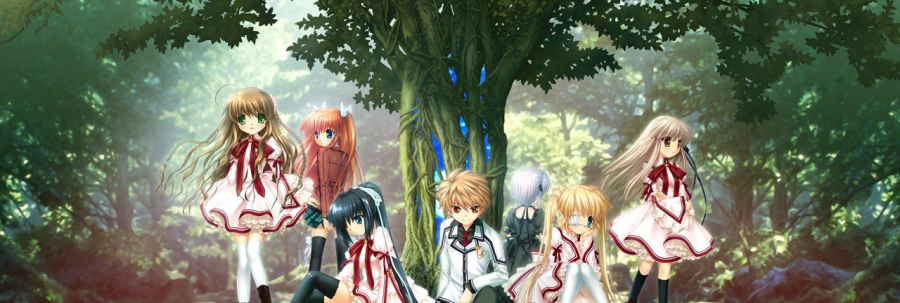
Even after Key’s writing contributions to the oddly-paced and hardly-affecting Charlotte, though, I still held out some measure of anticipation for the following season’s Rewrite. But it turns out that missing the point did the series even more damage than what repair it was positioned to do.

Many games were evolving the genre with the fidelity offered by the SNES, but Final Fantasy’s overwhelmingly successful reception set the tone for how JRPGs would play themselves thematically for years to come.

More than the harsh-but-grounded depictions of war and destitution that immediately provide it with gravity, perhaps Vinland Saga’s greatest strength as historical fiction is in its carefully-chosen boundaries with respect to how it envisions 11th-century Scandinavia and Danish England.
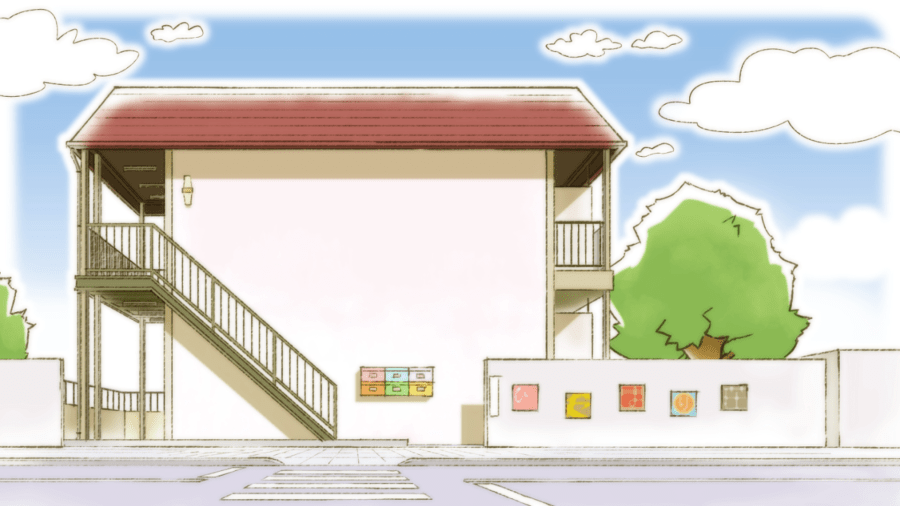
Slice-of-life shows like Hidamari Sketch are in a weird position where they don’t truly have many equivalents in Western-based markets, outside of anime and manga.

Among the new anime television series airing last season, my personal favorite of the bunch was something relatively understated. Yuru Camp△ exemplifies its exact niche beautifully.

Sidestepping the divisive highs and lows of the concept direction, narrative choices, and distribution model of Final Fantasy XV, there’s one dungeon in particular that sticks out from all the others for how it showcases the game's uniqueness. As a brief one-off, I’d like to delve into that level in particular on a point-by-point basis.
 This Thing Is Neat